To further draw on Europe’s advanced experience in international talent development, enhance our faculty’s capacity for international teaching and research, and promote the high-quality development of the Salamanca Institute, a 12-member SDJZU training delegation on smart city construction and management traveled to the University of Salamanca in Spain for a 14-day thematic training program from September 20 to October 3. Through this program, the participants learned cutting-edge concepts in the field of smart cities, held in-depth exchanges with foreign experts, broadened their international horizons, and further strengthened academic exchanges and cooperation with the University of Salamanca.
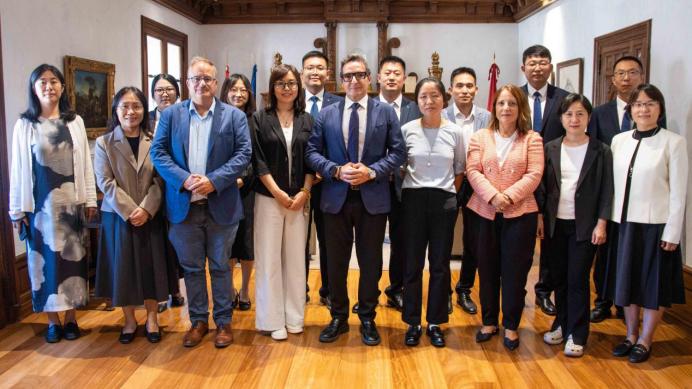
During the training, Juan Manuel Corchado, Rector of the University of Salamanca, Raúl Sánchez Prieto, Vice-Rector for International Affairs, and Ana Belén Gil González, Foreign Co-Director of the Salamanca Institute, attended the meeting. Juan Manuel Corchado extended a warm welcome to the SDJZU delegation. He noted that SDJZU and the University of Salamanca enjoy a sound foundation for cooperation, and that the jointly established Salamanca Institute is an important landmark achievement of the two universities in deepening educational exchanges and jointly advancing international education. The University of Salamanca will give full play to its resource strengths in urban studies, interdisciplinary talent development and international education, continuously invest faculty and research platform resources, and make sustained efforts in the joint development of programs, mutual faculty visits, joint student training and collaborative research, so as to fully support and steadily advance the operation of the Salamanca Institute. He expressed the hope that, with the Institute as a bond, the two sides will build a bridge for China-Spain educational exchanges and produce more high-quality cooperation outcomes.
The curriculum of this training program was closely aligned with the core themes of smart city development and international talent training, featuring rich and highly targeted content. Systematic instruction was delivered on a range of topics, including the Spanish model of interdisciplinary integration and innovative talent development, the European higher education system and quality standards for smart city talent, the conceptual framework and top-level design of smart cities, student-centered curriculum design, teaching evaluation and talent competency models, teaching practice in intercultural communication, the development of IT-based teaching resources, AI-driven urban intelligent services, digital twins, and urban social governance. A number of experts and scholars from the University of Salamanca, including Ana Belén Gil González, Leticia Aguado Ferreira and Antonio Cembellín Sánchez, served as instructors, teaching from multiple dimensions such as theoretical frameworks, curriculum development, research practice and case analysis.
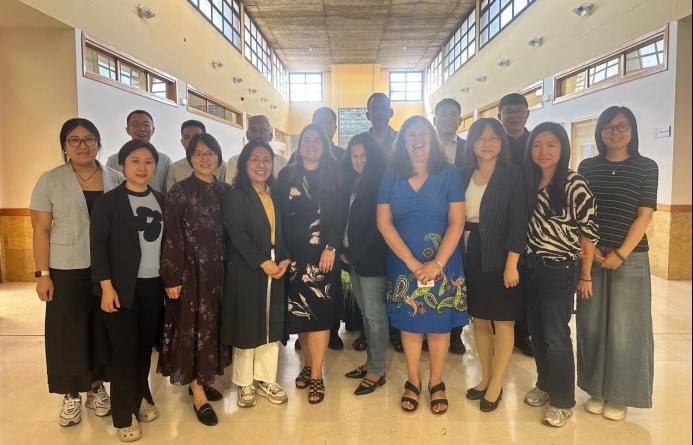
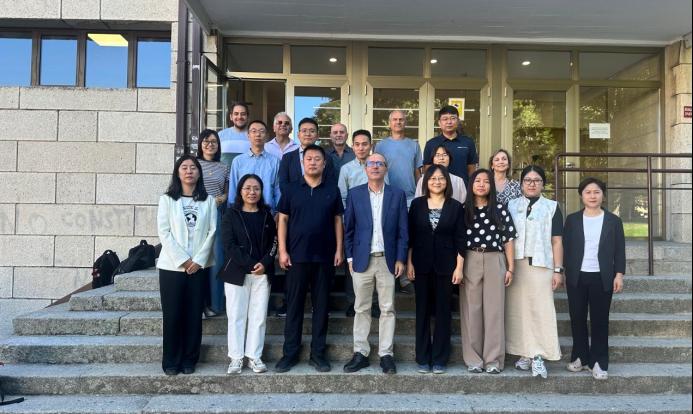
The delegation also visited the Béjar Campus of the University of Salamanca for on-site teaching, where they learned firsthand about the campus’s educational practices and the outcomes of smart-city-related research projects, and gained a systematic understanding of the research directions and project outputs of the BISITE (Bioinformatics, Intelligent Systems and Educational Technology) Research Group, accumulating valuable reference experience for the development of relevant programs at our University.
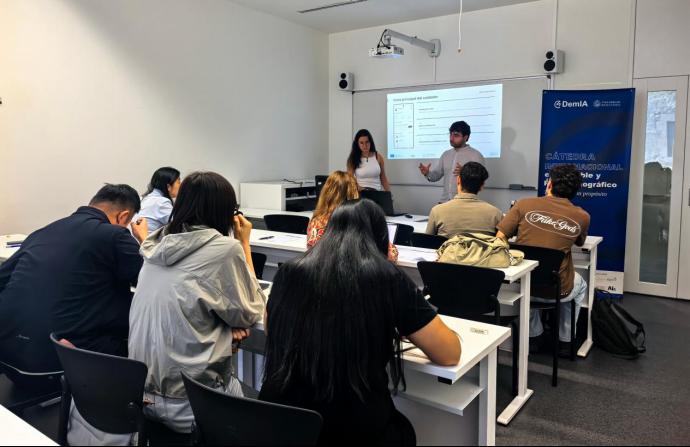
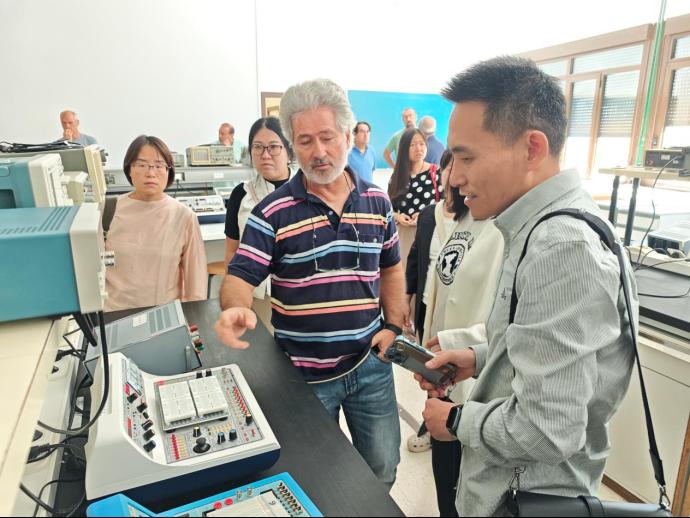
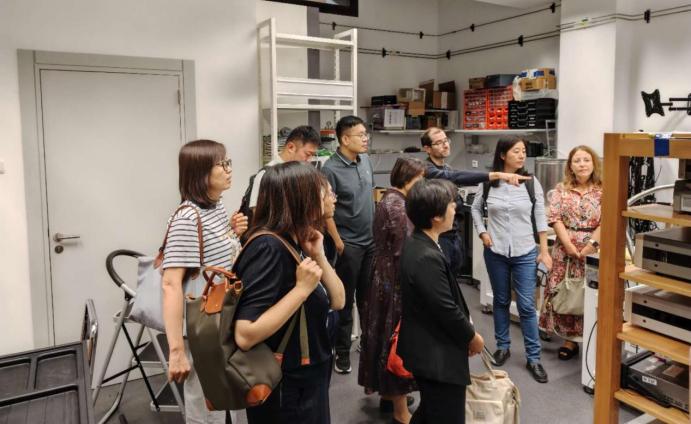
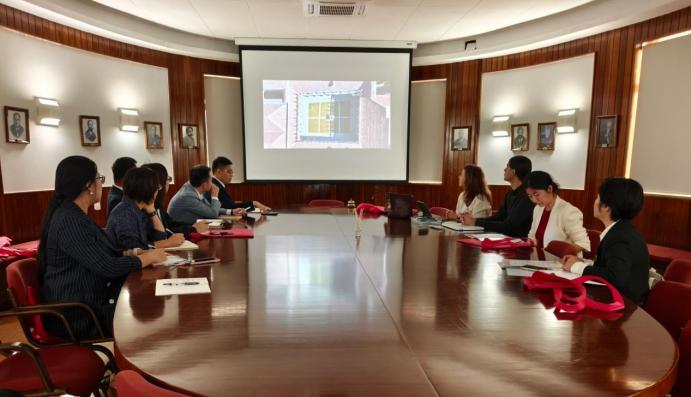
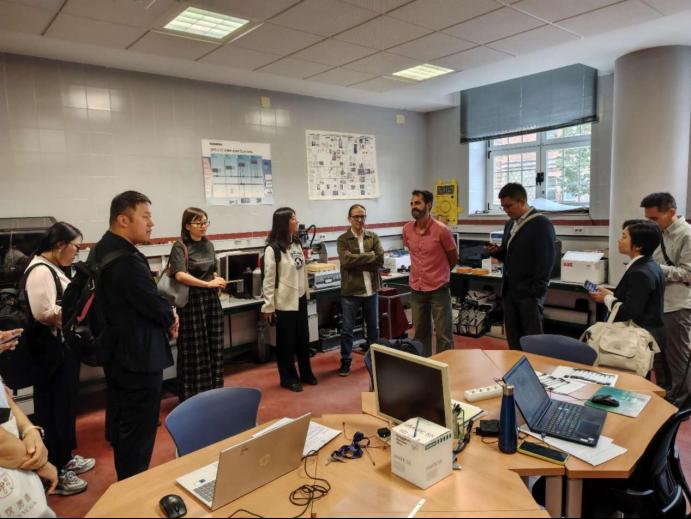
Throughout the training, all participants strictly observed foreign-affairs discipline, took the thematic studies seriously, and actively engaged in discussions with the foreign instructors. In light of the actual operation of our University’s Salamanca Institute, they held in-depth discussions with the foreign experts on key issues such as curriculum system development, faculty capacity building, the design of interdisciplinary talent training programs, and the joint development and sharing of teaching resources, closely integrating study and reflection with educational practice and achieving good training results.
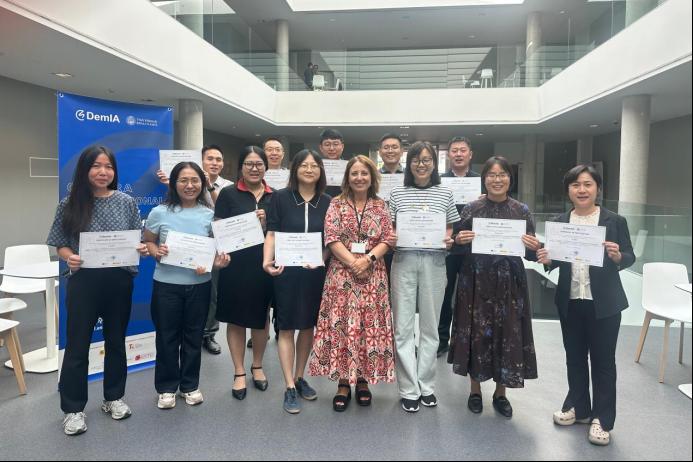
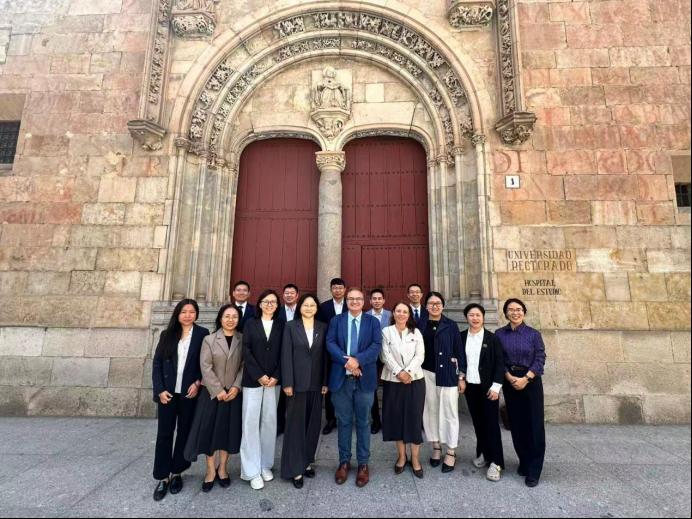
This training program in Spain was an important practice for our University in fulfilling the tasks of building Chinese-foreign cooperative educational institutions, broadening its international education horizons, and raising the international level of its faculty. Going forward, the University will apply the outcomes of this training to the practical work of teaching reform, talent development and program development at the Salamanca Institute, continue to deepen practical cooperation with the University of Salamanca, steadily improve the quality of international education, and cultivate more high-caliber international talent to serve the development of digitalization and smart cities at the national and regional levels.
By: Pan Zuchao
Edited by: Xu Xin
Responsible Editor: Zhang Wenguang
Editor-in-Chief: Li Xiao